
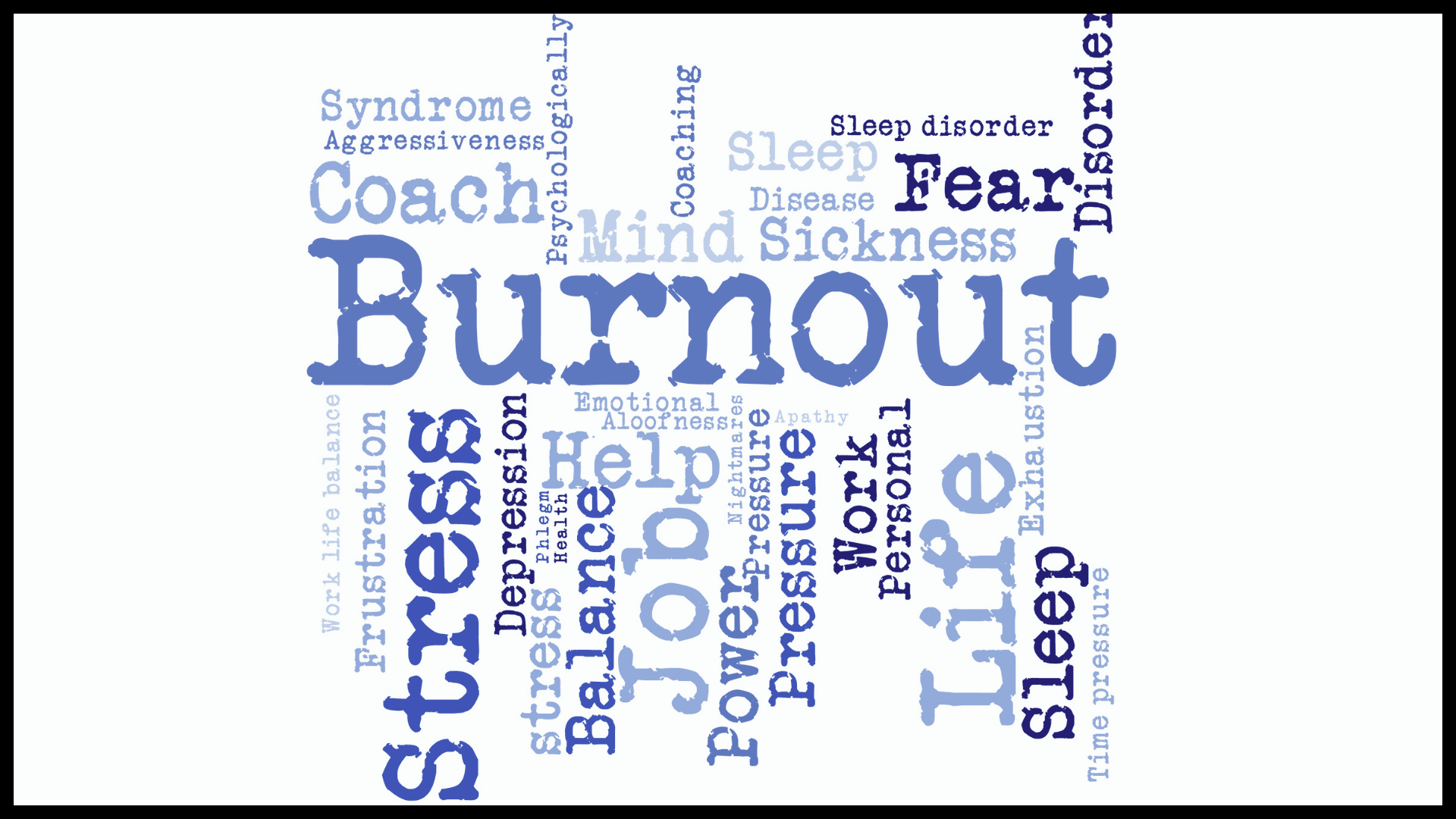
Self-Care for Foster Parents: Managing Stress and Preventing Burnout
Foster parenting is a profoundly rewarding experience, but it also comes with unique challenges and stressors. The emotional and physical demands of caring for foster children, many of whom have experienced trauma or instability, can take a toll on foster parents’ well-being. To provide the best care for their foster children, it’s crucial for foster parents to prioritize their own mental and physical health. This blog post explores effective strategies for managing stress and preventing burnout, helping foster parents to maintain their own health and well-being while supporting the children in their care.
The Importance of Self-Care for Foster Parents
Foster parents often place the needs of their children above their own, which can lead to neglecting their well-being. However, self-care is not a luxury; it’s a necessity for maintaining the physical, emotional, and mental health required to be effective caregivers. Here’s why self-care is so critical:
- Sustaining Energy and Resilience: Caring for foster children can be physically and emotionally exhausting. Self-care helps foster parents recharge and maintain the energy needed to meet their children’s needs.
- Preventing Burnout: Continuous stress without adequate self-care can lead to burnout, characterized by emotional exhaustion, detachment, and reduced effectiveness. Preventing burnout is essential for long-term success as a foster parent.
- Modeling Healthy Behavior: Foster children benefit from observing and learning healthy coping mechanisms and self-care practices. When foster parents prioritize their own well-being, they model positive behaviors for their children.
- Maintaining Relationships: Self-care helps foster parents manage stress and maintain healthy relationships with their partners, family members, and friends, which is vital for a supportive home environment.
Strategies for Managing Stress and Preventing Burnout
1. Establishing a Support System
Building and utilizing a support network can provide emotional and practical assistance:
- Connect with Other Foster Parents: Join local or online support groups for foster parents. Sharing experiences and advice with others who understand the unique challenges of fostering can be incredibly validating and helpful.
- Seek Professional Support: Engage with therapists or counselors who specialize in working with foster families. Regular counseling can help manage stress and address any emotional issues that arise.
- Build a Strong Social Network: Maintain relationships with friends and family who can offer emotional support and practical help. Don’t hesitate to reach out to them when you need assistance or a listening ear.
- Utilize Respite Care: Take advantage of respite care services, which provide temporary relief by having another qualified caregiver look after your foster children. This break can be crucial for recharging and maintaining your well-being.
2. Prioritizing Physical Health
Maintaining physical health is vital for managing stress and preventing burnout:
- Regular Exercise: Incorporate regular physical activity into your routine. Exercise helps reduce stress, improve mood, and increase overall energy levels. Aim for activities you enjoy, such as walking, swimming, or yoga.
- Balanced Nutrition: Eat a balanced diet that includes a variety of fruits, vegetables, lean proteins, and whole grains. Proper nutrition supports overall health and can help manage stress levels.
- Adequate Sleep: Prioritize getting enough sleep each night. Establish a consistent sleep schedule and create a relaxing bedtime routine to improve sleep quality.
- Routine Health Checkups: Regular health checkups and preventive care can help identify and address any health issues before they become serious problems. Don’t neglect routine medical appointments.
3. Implementing Stress-Reduction Techniques
Incorporate techniques into your daily routine to manage and reduce stress:
- Mindfulness and Meditation: Practice mindfulness or meditation to help manage stress and improve emotional regulation. Apps like Headspace or Calm offer guided meditations and mindfulness exercises.
- Deep Breathing Exercises: Use deep breathing techniques to calm your mind and body. Try the 4-7-8 breathing method: inhale for 4 seconds, hold for 7 seconds, and exhale for 8 seconds.
- Journaling: Write about your thoughts and feelings to process emotions and gain perspective. Journaling can also help you track your stressors and identify patterns that need addressing.
- Relaxation Techniques: Explore relaxation techniques such as progressive muscle relaxation or guided imagery to reduce physical tension and promote relaxation.
4. Setting Boundaries and Managing Time
Effective time management and setting boundaries are essential for preventing burnout:
- Create a Schedule: Develop a structured daily routine that includes time for self-care and personal interests. Having a clear schedule helps balance caregiving responsibilities with personal time.
- Set Realistic Expectations: Recognize your limits and set realistic expectations for yourself. It’s okay to ask for help and delegate tasks when needed.
- Take Breaks: Schedule regular breaks throughout the day to rest and recharge. Even short breaks can provide significant relief from stress.
- Learn to Say No: Set boundaries by learning to say no to additional commitments that may overwhelm you. Prioritize activities that align with your self-care goals and overall well-being.
5. Engaging in Enjoyable Activities
Incorporate activities that bring joy and fulfillment into your life:
- Hobbies and Interests: Pursue hobbies or interests that you enjoy and that help you relax. Whether it’s reading, painting, gardening, or playing an instrument, engaging in enjoyable activities can be a great stress reliever.
- Social Activities: Spend time with friends and family doing activities you love. Socializing and participating in enjoyable activities can provide a break from caregiving responsibilities and boost your mood.
- Personal Growth: Invest in personal development through learning new skills or exploring new interests. This can provide a sense of accomplishment and satisfaction outside of your caregiving role.
Resources for Foster Parents
Several resources are available to support foster parents in managing stress and preventing burnout:
National Foster Parent Association: Offers support, resources, and advocacy for foster parents, including information on managing stress and preventing burnout.
Child Welfare Information Gateway: Provides resources and information on self-care and support for foster and adoptive parents.
The Dave Thomas Foundation for Adoption: Offers resources and support for foster and adoptive parents, including information on self-care and maintaining well-being.
The Center for the Study of Social Policy: Provides resources and tools for foster parents, including strategies for managing stress and supporting well-being.
Final thoughts
Foster parenting is a demanding but incredibly rewarding role. Prioritizing your own self-care is essential for maintaining the physical, emotional, and mental health needed to provide the best care for your foster children. Here’s how you can take action:
- Assess Your Self-Care Practices: Evaluate your current self-care practices and identify areas where you can improve. Make a plan to incorporate strategies that support your well-being.
- Reach Out for Support: Connect with support networks, professionals, and resources that can help you manage stress and prevent burnout. Don’t hesitate to ask for help when you need it.
- Implement Stress-Reduction Techniques: Integrate stress-reduction techniques into your daily routine to manage stress and promote relaxation.
- Prioritize Your Health: Make physical health a priority by maintaining a balanced diet, exercising regularly, and getting adequate sleep. Schedule regular health checkups to stay on top of your well-being.
- Engage in Enjoyable Activities: Make time for activities that bring you joy and fulfillment. Pursuing hobbies and spending time with loved ones can help recharge your energy and improve your mood.
For more information on self-care for foster parents and to access additional resources, visit the websites of the organizations listed above. Your well-being is vital to your ability to provide the best care for your foster children. Prioritizing self-care ensures that you remain healthy, effective, and resilient in your caregiving role.